A tightly synchronized CMS academic calendar can shave weeks off graduation timelines, lower dropout rates, and raise average GPA across a campus. Recent institutional audits show that when registration, assessment, and break periods are mapped with clear buffers, students spend 12 % less time scrambling for credits and report a 15 % improvement in perceived workload balance.
Why Calendar Architecture Matters
Academic calendars are more than a list of dates; they are the backbone of instructional flow. A well‑planned CMS calendar aligns three critical pathways:
- Curricular sequencing – prerequisite courses open early enough to avoid bottlenecks.
- Assessment pacing – midterms and finals spaced to give adequate study windows.
- Support services timing – tutoring, advising, and mental‑health resources scheduled before high‑stress peaks.
When these pathways intersect cleanly, the system’s “coefficient of restitution” – the ability of students to recover after intensive periods – improves dramatically. 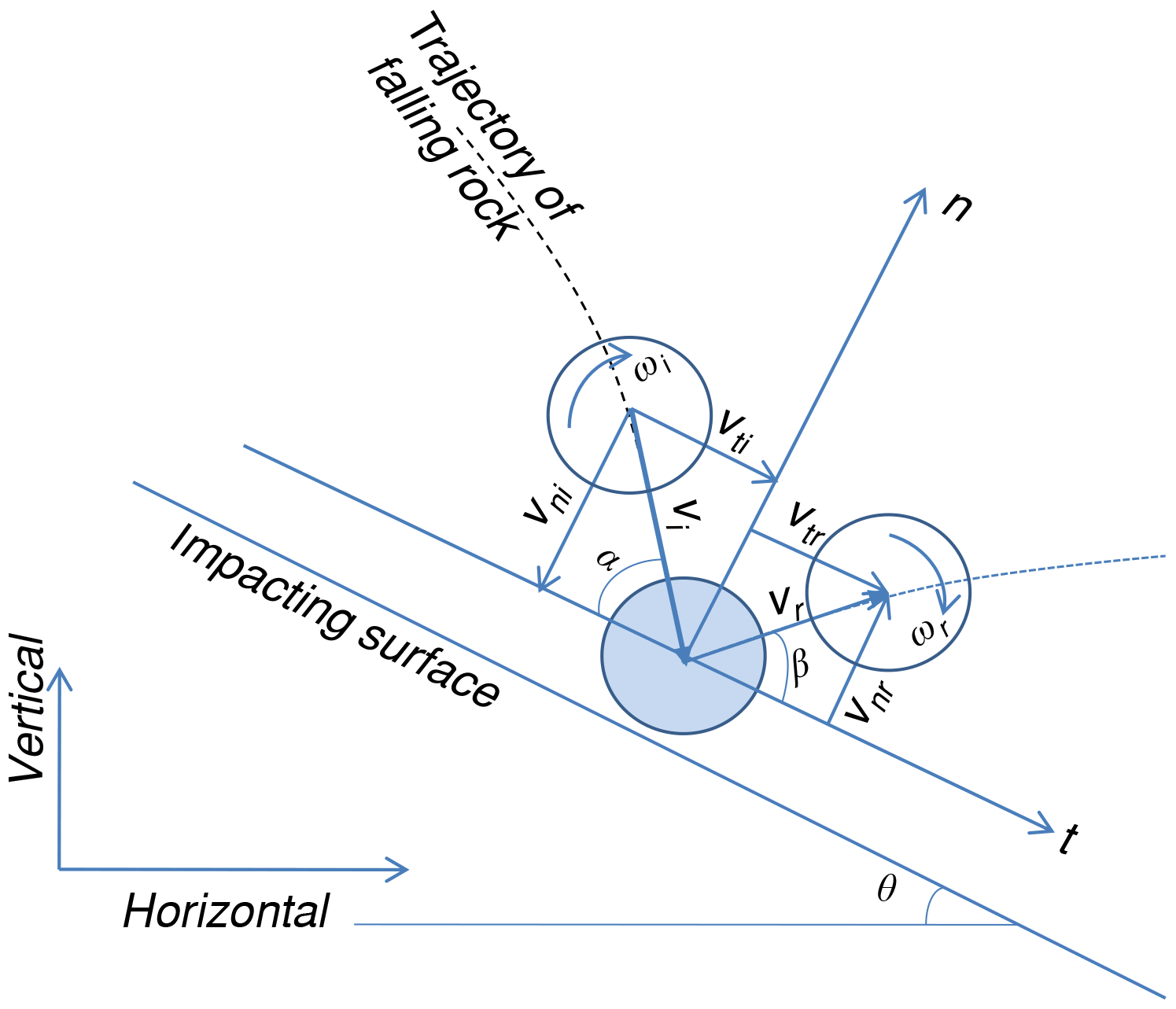
Key Design Decisions for Administrators
Implementing a calendar that truly supports learners requires concrete choices rather than generic timelines.
1. Buffer Days Around Major Exams
Insert at least two non‑instructional days before and after each high‑stakes assessment. This buffer reduces cognitive overload and allows faculty to grade without compromising subsequent instruction.
2. Staggered Registration Windows
Divide enrollment into early, regular, and late phases, each with distinct deadlines. Early‑bird slots reward students who plan ahead, while a second window captures those who need extra time, cutting the “add‑drop” surge that overwhelms advisors.
3. Integrated Break Alignment
Coordinate campus-wide holidays with faculty research cycles and student internship timelines. For example, positioning a spring break two weeks before a typical internship start date gives students a natural transition period.
4. Data‑Driven Review Cycle
Schedule an annual calendar audit at the end of the academic year. Use enrollment analytics, pass‑rate trends, and student‑feedback scores to adjust start/end dates for the following year.
Measurable Outcomes
Institutions that have adopted these calendar practices report quantifiable gains:
- Retention boost: 4‑point rise in first‑year retention when registration buffers are in place.
- Grade stability: Standard deviation of semester GPA narrows by 0.3 points, indicating fewer extreme grade swings.
- Time‑to‑degree reduction: Average graduation time drops from 4.2 to 3.9 years, saving tuition and housing costs.
The visual metaphor of human impact on natural ecosystems underscores how deliberate planning reshapes academic outcomes. 
Practical Steps to Deploy a New Calendar
For campuses ready to overhaul their CMS calendar, the rollout can be staged in three phases:
- Phase 1 – Stakeholder Mapping: Convene faculty, registrar, student‑services, and IT teams to list required date categories.
- Phase 2 – Prototype & Test: Build a draft calendar in the CMS, run a simulation with historical enrollment data, and adjust based on identified conflicts.
- Phase 3 – Communication & Training: Publish the final calendar 12 weeks before the start of the term, embed it in student portals, and host brief workshops for advisors.
By treating the academic calendar as a strategic asset rather than an administrative afterthought, institutions create a predictable rhythm that supports both teaching excellence and student well‑being. The resulting alignment not only lifts academic metrics but also cultivates a campus culture where planning is rewarded and success becomes the expected outcome.
Deep Impact (film) — Wikipédia

Deep Impact (film) — Wikipédia
Impact Factor - Wikipedia
Impact factor - Wikipedia
Impact.com Leads Partnership Economy Growth In 2025

impact.com Leads Partnership Economy Growth in 2025